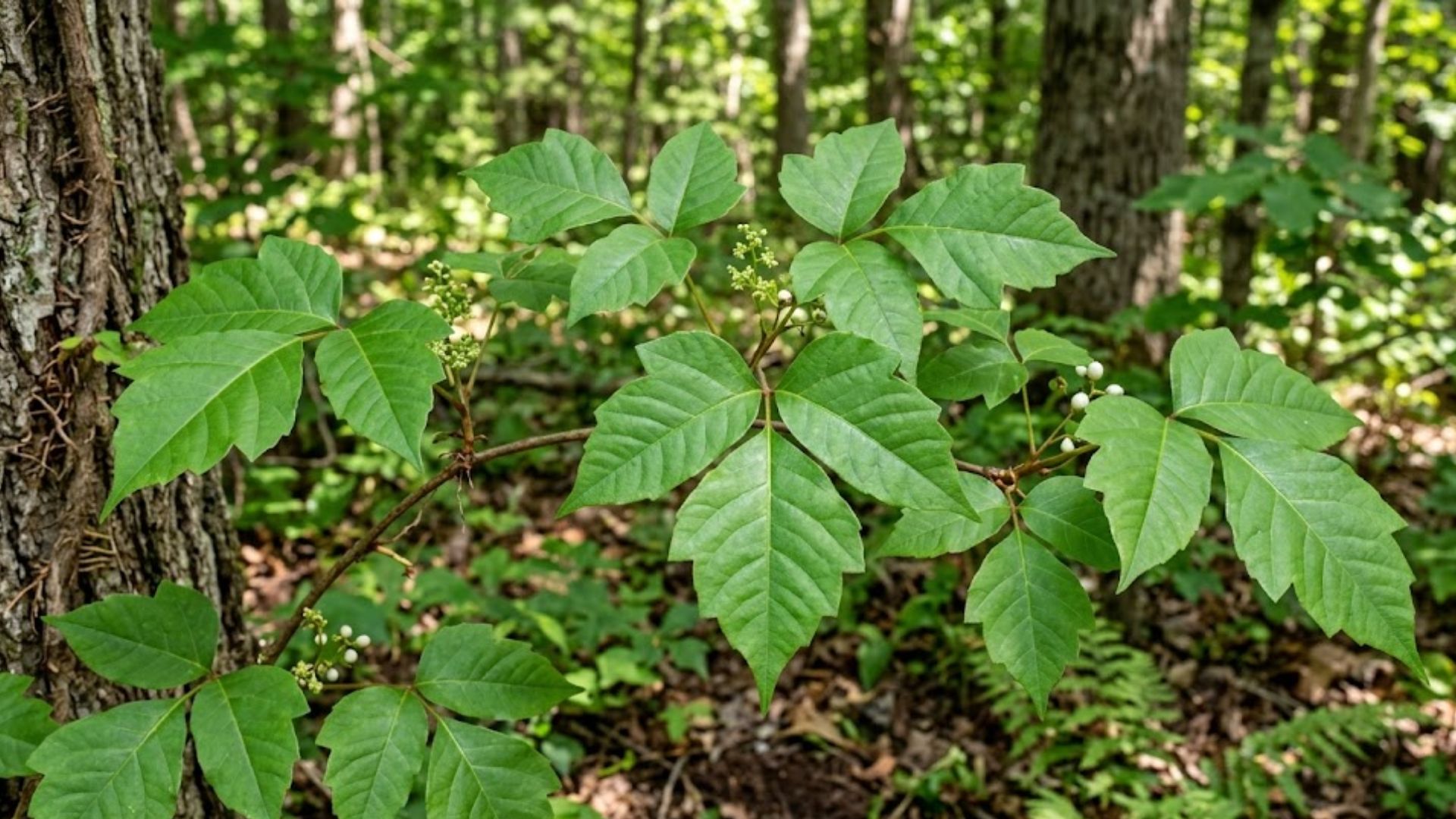
Venturing into the great outdoors—whether you are hiking a rugged trail, gardening in your backyard, or simply walking through a local park—comes with many rewards. However, nature also harbors certain defenses that can turn a pleasant afternoon into a week of itching and discomfort. Chief among these is Toxicodendron radicans, commonly known as poison ivy.
The old adage “leaves of three, let it be” is a great starting point, but poison ivy is a master of disguise. It changes appearance based on the season, its environment, and its stage of growth. To stay safe, you need a comprehensive understanding of what this plant looks like in all its forms.
How Can I Tell If It’s Poison Ivy?
Identifying poison ivy requires looking at several botanical features simultaneously. While many plants have three leaves, poison ivy has distinct characteristics that set it apart.
1. The Leaf Structure
Poison ivy is famous for its trifoliate leaf pattern, meaning it grows in clusters of three leaflets. The middle leaflet usually has a longer stem (petiole) than the two side leaflets. The edges of the leaves can be smooth, notched, or even slightly lobed, but they are rarely perfectly symmetrical.
2. The Stem Arrangement
Unlike some look-alikes, poison ivy leaves grow alternately along the main stem. This means that if you look at a branch, the clusters of three do not grow directly across from one another; they “stair-step” up the vine or stalk.
3. Growth Habits
Poison ivy is incredibly versatile. It can appear in three primary forms:
-
A Trailing Vine: Creeping along the ground, often hidden by tall grass.
-
An Aerial Vine: Climbing high up tree trunks or fence posts. These vines often look “hairy” because of dark, fibrous rootlets that cling to the bark.
-
A Standalone Shrub: Growing in thickets up to 3 feet tall, especially in open fields or along forest edges.
What Does Poison Ivy Look Like in Winter?
One of the most dangerous misconceptions is that poison ivy is only a threat when it is green and lush. In reality, the oily resin responsible for the rash—urushiol—is present in the leaves, stems, roots, and berries year-round. Even a dead, leafless vine in the middle of January can cause a severe reaction.
The “Hairy” Vine
In the winter, look for thick, woody vines climbing trees that appear to have a coat of dark, fuzzy hair. These are the aerial roots. If you see a “hairy” vine, do not touch it or use it for firewood, as inhaling the smoke from burning poison ivy can cause life-threatening respiratory distress.
White Berries
During the late fall and winter, poison ivy often produces small, waxy, grayish-white berries. These berries are a key identification marker, as many harmless look-alikes produce red or blue berries.
Poison Ivy Look-Alikes: Don’t Be Fooled
Several common plants are frequently mistaken for poison ivy. Distinguishing between them can save you a lot of unnecessary worry—or a lot of itching.
Virginia Creeper
This is the most common “false alarm.” While it also climbs trees, Virginia Creeper typically has five leaflets rather than three. However, young Virginia Creeper plants may occasionally show three leaves, so always check the rest of the vine.
Boxelder Saplings
Young boxelder trees look remarkably like poison ivy. The key difference is the leaf arrangement: boxelder leaves grow oppositely (directly across from each other on the stem), whereas poison ivy leaves are alternate.
Raspberry and Blackberry Briars
While these have three leaflets, they also have thorns. Poison ivy never has thorns. If the stem is prickly, it’s likely a berry bush.
What Does Poison Ivy on Skin Look Like?
If you fail to identify the plant in the wild, your skin will likely identify it for you within 12 to 72 hours. The reaction to urushiol is an allergic contact dermatitis.
Visual Characteristics of the Rash
-
Redness and Swelling: The affected area will become inflamed and warm to the touch.
-
Linear Patterns: Because the rash occurs where the plant brushed against you, it often appears in straight lines or streaks.
-
Blisters: Small, fluid-filled sacs (vesicles) usually develop. These can range from pinhead-sized bumps to large bullae.
-
Oozing: As the blisters break, they may ooze a clear fluid. Contrary to popular belief, this fluid does not spread the rash to other people; the rash only spreads via the urushiol oil itself.
What Are the Beginning Signs of Poison Ivy?
Early detection can help you manage the symptoms before they become unbearable. The “incubation period” varies depending on your sensitivity and whether you have been exposed before.
-
The Itch: Usually, the very first sign is an intense, localized itching sensation.
-
The Red Glow: A few hours after the itching starts, a faint red rash or hives will appear.
-
Increased Sensitivity: The skin may feel tender or “tight” before the blisters actually emerge.
If you suspect you’ve been exposed, the first hour is critical. Washing the area with degreasing soap (like dish soap) or specialized poison ivy cleansers can remove the oil before it binds to the skin.
Poison Ivy Rash Stages: What to Expect
A poison ivy reaction typically follows a predictable timeline:
Stage 1: The Incubation (Hours to Days)
The oil absorbs into the skin. You feel nothing yet, but the biological reaction is starting.
Stage 2: The Eruption (Days 1–5)
The skin turns red, itches intensely, and blisters begin to form. This is usually the most uncomfortable phase.
Stage 3: The Weeping (Days 5–10)
Blisters may pop and ooze. Crusted scabs begin to form over the affected areas.
Stage 4: The Healing (Days 10–21)
The redness fades, the skin may peel (similar to a sunburn), and the itching subsides. Most cases resolve within two to three weeks.
What Clears Up Poison Ivy the Fastest?
While there is no “instant” cure for a poison ivy rash once the allergic reaction has triggered, you can significantly speed up recovery and manage the misery.
-
Prescription Steroids: For severe cases, especially those on the face or genitals, a doctor may prescribe oral prednisone. This is the fastest way to shut down the immune response.
-
Topical Treatments: High-potency steroid creams (Clobetasol) or over-the-counter hydrocortisone can reduce inflammation if applied early.
-
Drying Agents: Calamine lotion and witch hazel help dry up weeping blisters.
-
Cold Compresses: Applying a cool, damp cloth for 15 minutes several times a day provides immediate, albeit temporary, relief from the “burning” itch.
-
Oral Antihistamines: While they don’t stop the rash itself, medications like Benadryl can help you sleep through the itching.
Frequently Asked Questions (FAQs)
Can I get poison ivy from my dog?
Yes. While animals are generally not sensitive to urushiol due to their fur, the oil can stick to their coat. If you pet your dog after they’ve run through a patch of poison ivy, the oil transfers to your hands and then to your body.
Is poison ivy contagious from person to person?
No. You cannot catch poison ivy from someone else’s rash or the fluid inside their blisters. You can only get it by coming into direct contact with the urushiol oil, which might be lingering on their skin, clothing, or tools.
Does “Jewelweed” actually work as a remedy?
Jewelweed is a common plant that often grows near poison ivy. Many hikers swear by mashing the succulent stems and applying the juice to the skin. While some studies suggest it may help wash away the oil, it is most effective if used immediately after exposure.
Can the oil stay active on clothing?
Yes. Urushiol is incredibly stable. It can remain active on unwashed clothing, gardening tools, or camping gear for years. Always wash exposed clothes in hot water with plenty of detergent.
Should I pop the blisters to let them heal?
No. Popping blisters increases the risk of a secondary bacterial infection. It is best to leave them intact and let them dry out naturally.
Summary of Identification Tips
To summarize, when you are trying to determine “what does poison ivy look like,” remember the Three-S Rule:
-
Structure: Clusters of three leaves.
-
Spacing: Alternate leaf arrangement on the stem (not side-by-side).
-
Smoothness: Stems are smooth (no thorns), though the climbing vines are “hairy.”
By keeping these visual cues in mind and understanding the stages of the rash, you can enjoy the outdoors with confidence and keep your skin clear of this irritating interloper.